


秘密
“白海豚”余威犹存 注意防范强对流天气 今天雨水出现得更早,范围更广_我的网站

一 | 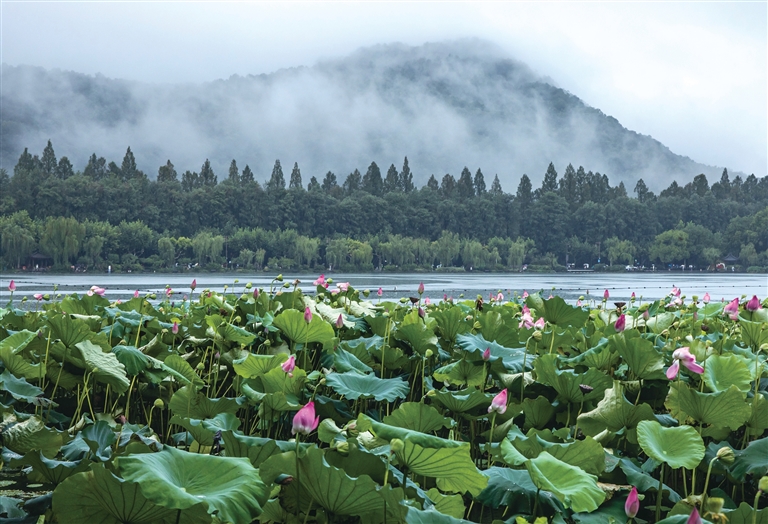
二 | Colombo, Oct 20 (UNI) Amid growing criticism, Sri Lankan President Ranil Wickremesinghe has justified a hike in income tax for both corporates and individuals, saying it was for the greater good of the country and critical to garner much needed financial support from the international community.
In an address to the nation, the President said the International Monetary Fund (IMF) with which the government has signed a Staff Level Agreement for a $2.9 billion four-year financial support, advised the need for a surplus in Sri Lanka’s primary budget, the Daily FT reported on Thursday.
“It was agreed to since the country needs the support of the IMF,” he was quoted him as saying.
“It was also decided to increase the country’s income from 8.5 per cent to 14.5 per cent of the GDP. However, it is a difficult task to accomplish immediately, it is envisaged to achieve this by 2026.
"Initially, a decision had to be taken on the manner in which the income is to be increased. Money was printed due to the decrease in income. During the past two years, Rs. 2,300 billion has been printed, resulting in inflation rising to 70-75 per cent and even more in respect of food inflation," he said.
Wickremesinghe said these increases need to be controlled, while securing income. Therefore, during the discussions with the IMF a new tax system was proposed. The IMF informed that even the export industries would be required to pay taxes.
The IMF pointed out that in countries with an export economy, the related industries were liable for tax. The IMF also upheld that Sri Lanka’s primary export economy is based on the plantation industry.
During British rule, taxes were charged from every plantation sector, including tea, coconut and rubber. Therefore, if the country has to move towards that goal, taxes will have to be paid. The export sector has now questioned this aspect and the related concerns are to be submitted to the IMF.
Referring to the issue of higher personal income taxation, the President said the majority of tax revenue was through indirect taxation. The majority of the country’s citizens, even those below the poverty line, had no choice but to pay indirect taxes, the President said.
The direct tax revenue was 20 per cent and 80 per cent has been derived from indirect taxes.
The IMF had reservations in this regard and said the amount of tax obtained through direct taxes should exceed 20 per cent. The IMF noted that otherwise this would not be successful and ordinary citizens would need to pay taxes, the President said.
Therefore, the Treasury and the IMF discussed the possibility of limiting the taxation from those who have an income of Rs. 200,000, which did not materialise. Eventually, this resulted in the decision to levy income tax on people earning over 100,000. This has become a vital concern amongst citizens.
But without this tax system, the desired goal will not be achieved. The agreed goal is to achieve 14.5-15 per cent of Gross Domestic Product (GDP) revenue by 2026, Wickremesinghe said.
If Sri Lanka withdraws from this programme, IMF assistance will not be received. Without IMF certification, the support of institutions such as the World Bank, Asian Development Bank, and the countries that have supported financially will not be forthcoming. Then, Sri Lanka will be back to the era of queues, he warned.
In his address, Wickremesinghe also said the Government was ready to implement prudent economic management after successful debt restructuring.
He noted that it was not possible to strengthen the economy without increasing the revenue of the country, which will compel him to reluctantly make tough decisions in order to rebuild the nation.
The President pointed out how in November 2019, the country’s taxes were drastically reduced, reducing the government revenue to 8.5 per cent. This was when the IMF set aside the agreements with Colombo and declared that it was unable to provide the agreed assistance.
"That year the government lost approximately Rs. 600-700 billion as revenue. Simultaneously, the country had to face the Covid-19 pandemic. These issues are the main factors that led to the collapse of Sri Lanka’s economy.
"The country at this juncture is facing a difficult period. Expectedly tough decisions have to be taken during these difficult times. I undertook this challenge when no one else was willing to come forward."
UNI MR。记者 陈中秋 摄" />昨天下午,西湖边突降大雨,群山间雾气蒸腾,宛如水墨画。记者 陈中秋 摄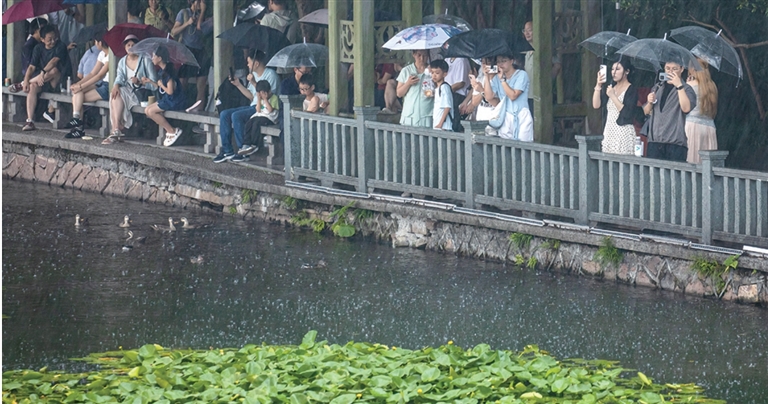 游客在湖边长廊下躲雨观景 记者 陈中秋 摄这几天,台风“白海豚”的残余环流持续影响我省,带来大范围强对流天气与强降雨。连日的雷阵雨,也将“暑热”按了下去。昨天进入末伏,杭州主城区最高气温定格在33.2℃,雨后更是明显降温,体感清凉。今天“白海豚”依然会刷存在感,预计杭州多云到阴,有阵雨或雷雨,部分地区中到大雨,有雷雨地区局地可伴有短时暴雨和雷雨大风等强对流天气,最高气温32℃。最近午后和晚上的雨水下得都比较急,短时雨量大。今天大家仍要当心,注意防范强对流天气。

三 | “白海豚”残余环流有多强?与2006年台风“碧利斯”相似“白海豚”于8月11日停编后,“影响力”一直没有消散——残余环流依旧庞大,一直盘旋在我国华中、华东地区,并联合南下的冷空气,持续向我省“洒水”,降雨范围广、局地雨势猛,火力全开。浙江省气象服务中心说,昨天一早,湖州地区的短时强降雨就来势汹汹。

四 | 从6时到9时,近三小时累计雨量最高的吴兴区上强中学,直接飙到171.7毫米,一小时雨量更是突破70毫米。午后开始,强降雨和强对流天气在我省铺展开来,覆盖面较上午更广,只要被雨水“盯上”的地方,雨势都相当猛烈。暴雨红色预警、暴雨橙色预警、雷电黄色预警、雷暴大风黄色预警……昨天一天,我省地图上简直满屏都是各种气象灾害警报与预警信号。杭州也不例外,昨天下午,余杭与桐庐都曾一度发布最高级别的暴雨红色预警,主城区发布暴雨橙色预警。尤其是余杭,从大前天(12日)起到昨天,一直在暴雨区域内。从台风“白海豚”残余环流对我国的影响来看,与2006年第4号台风“碧利斯”有些相似,只是造成强降雨的区域不一样。“碧利斯”是残余环流对我国影响最大的台风。2006年,“碧利斯”深入内陆,生命史长,影响范围广,导致降雨强度大,洪涝、滑坡、泥石流以及局地大风、雷电等灾害之重,历史少见。“白海豚”和“碧利斯”一样,登陆后移动速度减缓、持续时间长,延长了降水时间,历史罕见。今天杭州下雨时间更早,范围更广19日起高温暑热再次返场虽然台风残余环流今天依然会带来雨水,但这也是它影响杭州的最后一天了。杭州市气象台说,预计今天杭州全地区都有明显的阵雨或雷雨,而且出现时间比昨天更早,降雨范围更广。

五 | 中国天气网分析,今天,台风残余环流将东移入海,冷空气继续南下,强降雨进一步向东收缩,集中在浙江中东部、福建北部等地。浙江省气象服务中心预计,今天全省阴有阵雨或雷雨,部分地区中到大雨,浙中北和沿海地区有分散性暴雨,局地大暴雨;有雷雨地区局地可伴有短时暴雨和8~10级雷暴大风。明天浙中南地区阴有阵雨或雷雨,部分中雨,局部大到暴雨;其他地区多云到阴有时有阵雨或雷雨,夜里转阴到多云。需要注意的是,虽然“白海豚”影响逐渐减弱,但仍要警惕地质灾害的滞后性,远离前期累计雨量大、土壤含水率接近饱和的地区以及山区、河谷等灾害易发区。连日大雨带来的“凉爽”能持续多久?浙江省气象服务中心预计,19日起,除沿海地区外,全省大部分地区最高气温将回升至34~36℃,高温暑热又将返场。
Current article:http://cfwyi.suilaoheirenzhaizhaikang.sbs/news/20260826_40141.html
Published on:04:35:19